
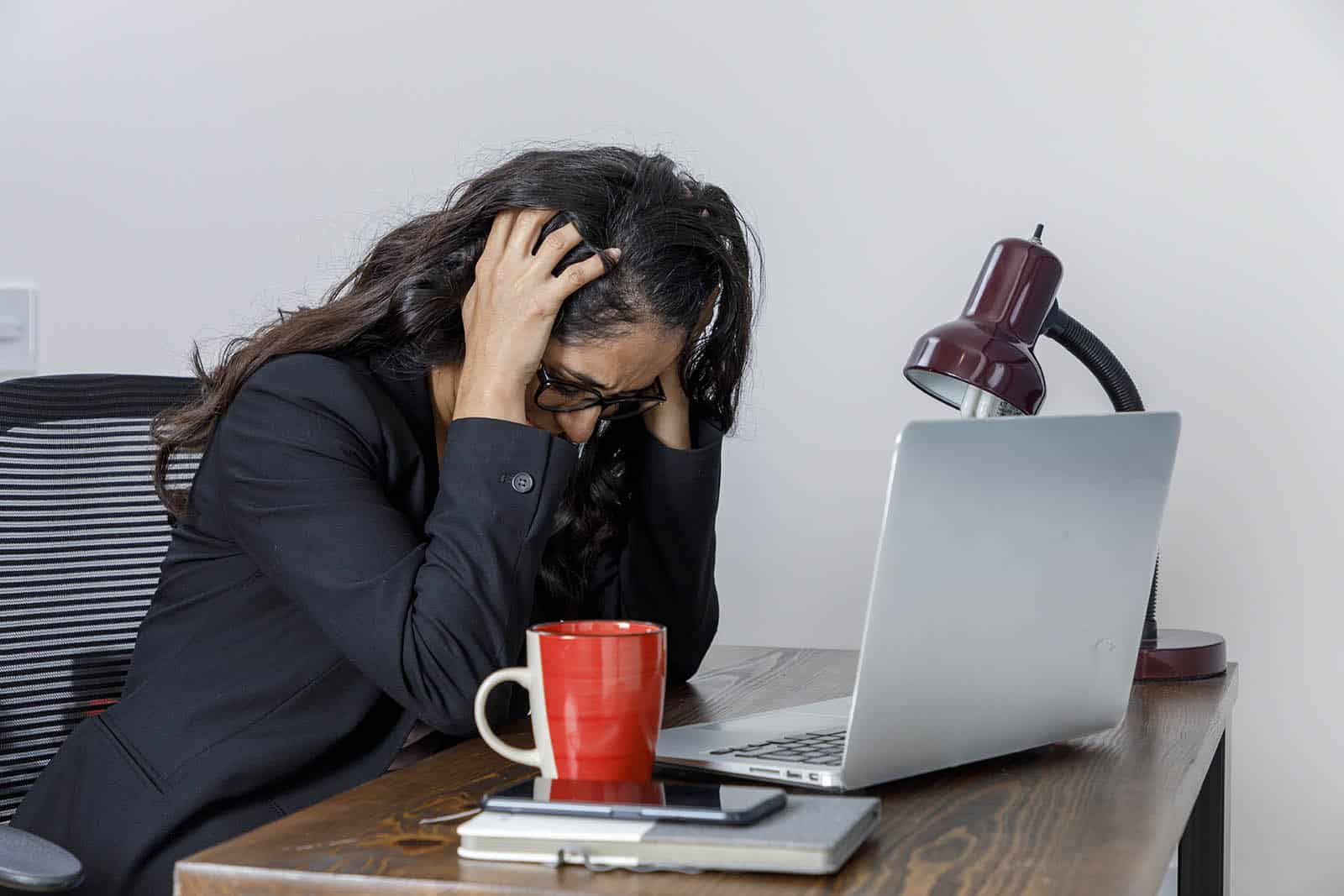
Anxiety is a mental health condition that affects many people. It can be caused by a number of things, including stress, genetics, and environmental factors. Anxiety can manifest in different ways for different people. For some, it might cause them to feel constantly worried or stressed out. Others may experience panic attacks or intrusive thoughts. There are many treatments for anxiety, but what works for one person might not work for another. This blog post will discuss the various anxiety treatments and what has worked for many others.
Identify what triggers your anxiety and try to avoid them.
Anxiety is a normal emotion that everyone experiences at some point in their life. However, for some people, anxiety can become a chronic condition that interferes with daily activities. While there is no single cause of anxiety, several factors can trigger or worsen symptoms. These triggers can include stress at work or school, financial worries, family conflict, and relationship problems. Some people also experience anxiety in response to specific environmental stimuli, such as loud noises or crowded places. Identifying your triggers is an important step in managing anxiety. Once you know what sends your anxiety levels soaring, you can develop a plan to avoid or minimize exposure to those triggers. Sometimes, this may mean making lifestyle changes, such as reducing stress or learning relaxation techniques. However, even small steps can significantly reduce your anxiety and improve your quality of life.
Exercise regularly - it releases endorphins that have mood-boosting effects.
Exercise is critical for maintaining physical health, but it can also profoundly impact our mental well-being. When we exercise, our bodies release endorphins, chemicals that interact with the receptors in our brain to produce a sense of euphoria. In other words, exercise can make us feel happy. People often refer to exercise as a "natural high." In addition to making us feel good at the moment, exercise can also help to alleviate symptoms of depression and anxiety. For example, regular exercise has been shown to reduce stress levels and improve sleep quality. So if you're feeling down, go for a run or hit the gym - you might find that it does wonders for your mood.
Practice deep breathing exercises or meditation to calm your mind and body
In today's fast-paced world, it's more important than ever to take a moment to relax and rejuvenate your mind and body. One of the best ways to do this is through deep breathing exercises or meditation. Deep breathing helps to oxygenate your blood and calm your nervous system. Meditation allows you to focus on the present moment and let go of stressful thoughts. Both of these activities can help lower your heart rate and blood pressure and improve your mood and concentration. So next time you're feeling stressed, take a few minutes to practice deep breathing or meditation, and you'll feel calmer in no time.
Talk to someone you trust about how you're feeling - they may be able to offer helpful advice.
If you're feeling down, it can be helpful to talk to someone you trust about how you feel. They may be able to offer helpful advice or just be a listening ear. It's important to find someone who will understand and not judge you, so you may want to consider talking to a friend, family member, therapist, or counselor. If you don't feel comfortable talking to someone in person, many online support groups are available. Talking about your feelings can help you to feel better and may even help you to find solutions to whatever is causing your distress. So if you're feeling overwhelmed, don't hesitate to seek help.
Make a list of things that make you happy and do them whenever you need a boost.
Countless things can bring a smile to our face, but sometimes it can be hard to remember them when we're feeling down. That's why it can be helpful to list things that make us happy and refer to them whenever we need a pick-me-up. For some people, it may be spending time outdoors, listening to music, or spending time with friends and family. Others may find joy in more solitary pursuits like reading, writing, or painting. No matter what makes us happy, taking the time to do those things can help us to feel better and recharge our batteries. So next time you're feeling blue, take a look at your list and make some time for the things that bring you happiness.
If you're struggling with anxiety, know that you're not alone. There are millions of people all over the world who deal with anxious thoughts and feelings on a daily basis. The good news is that there are things you can do to ease your anxiety and help yourself feel better. Try implementing some of the tips we've listed above and see how they work for you. And if you need additional assistance, don't hesitate to contact us. We specialize in Ketamine treatments for anxiety and can provide you with the care and support you need to start feeling better again.